September 18, 2026
Tooth loss creates profound challenges for individuals seeking to maintain everyday routines. Missing teeth alter facial structure, create speech impediments, and restrict dietary choices to soft foods. Modern dentistry provides reliable solutions to restore oral function and aesthetics for affected patients. Dental prosthetics stand out as a dependable method for replacing missing dentition. Over the past decades, advancements in dental materials and manufacturing techniques have improved the comfort, durability, and appearance of these appliances. Patients seeking restoration consult with dental professionals to explore the available structural options.
Utilizing local denture services gives patients access to personalized care, exact measurements, and precise fittings. Through consultations and examinations, individuals discover the variety of appliances created to match specific oral conditions. The journey toward a restored smile begins with education and a thorough understanding of the prosthetic landscape. A well-informed patient feels empowered during the treatment process.
1. Complete Dentures: Designed for Total Replacement
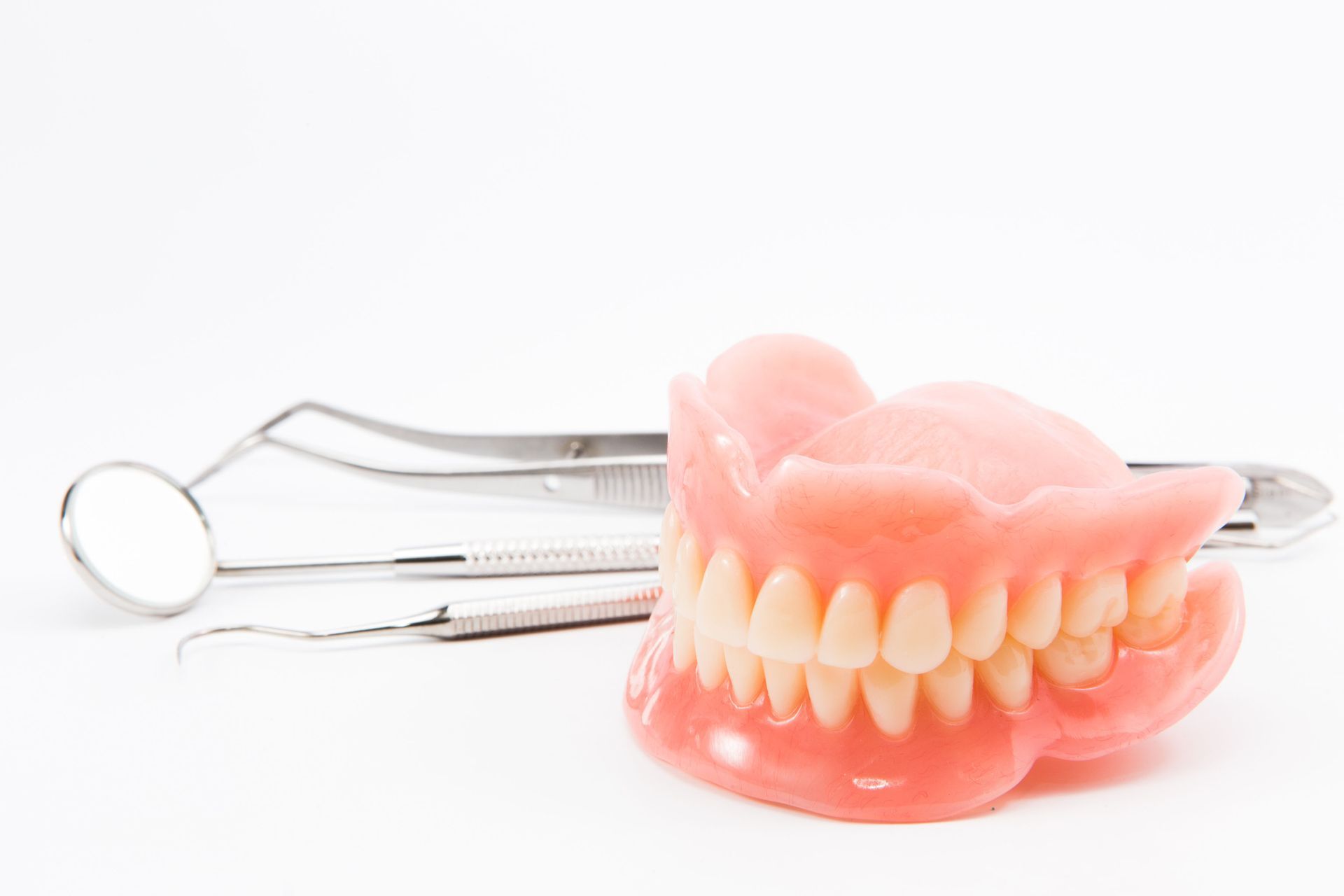
Complete prostheses serve patients missing a whole arch of teeth on the upper jaw, the lower jaw, or opposing arches. These appliances consist of an acrylic base crafted to mimic the color and texture of natural gum tissue. A full set of artificial teeth sits on this base, providing the wearer with a complete smile and restored chewing capability. Dental technicians mold the acrylic base to fit the exact contours of the patient’s gums. On the upper arch, the base covers the roof of the mouth, creating a suction seal that holds the appliance in place. On the lower arch, the appliance rests on the gums and leaves space for the tongue. Patients requiring complete arches explore local denture services to find technicians capable of crafting seamless, comfortable bases.
According to IBISWorld, there are roughly 180,000 businesses operating in the dental industry in the United States. A portion of these establishments focuses on crafting and fitting complete prostheses for individuals with total tooth loss. Patients with no remaining natural teeth on a given arch are the ideal candidates for this full replacement model. Before receiving the final appliance, individuals might need tooth extractions and a period of gum healing. During this transition, dentists provide immediate appliances to protect the gums and maintain aesthetics.
Once the tissues heal and shrink to their permanent shape, the permanent complete appliance is fabricated. Patients must practice speaking and eating to adapt to the new appliance in their mouth. The transition requires patience and a willingness to learn new chewing techniques. Denture adhesives provide extra stability for patients struggling with movement, though a proper fit minimizes the need for such products. Regular checkups ensure the base continues to fit as jawbone contours change over time.
2. Partial Dentures: Crafted for Spot Restoration
Partial prosthetics provide an effective solution for patients retaining healthy natural teeth. These appliances fill the gaps left by missing teeth while preventing the remaining natural teeth from shifting out of alignment. A partial appliance consists of artificial teeth attached to a framework made of metal or acrylic. Clasps or precision attachments connect the framework to the adjacent natural teeth, securing the prosthetic in the mouth. Patients appreciate the removable nature of this appliance, which simplifies cleaning and maintenance. Relying on local denture services ensures the metal or acrylic framework blends with the natural oral structures and provides a secure, comfortable hold.
Candidates for partial prosthetics must possess a stable foundation of healthy natural teeth and gums. Dentists inspect the remaining teeth to confirm they can support the clasps and the physical demands of the appliance. This option suits individuals who want a conservative alternative to fixed bridges. The artificial teeth on the framework match the shade and shape of the adjacent natural teeth, creating a uniform and attractive smile. The structural support provided by the appliance improves chewing efficiency and distributes bite forces across the jaw.
Patients utilizing local denture services receive detailed instructions on inserting and removing the partial framework to avoid damaging the clasps or the supporting natural teeth. Good oral hygiene remains paramount for partial appliance wearers, as plaque accumulation around the clasps increases the risk of tooth decay. Regular flossing and brushing provide the best defense against complications. With proper care, partial appliances offer a durable and functional restoration for scattered tooth loss.
3. Implant-Supported Dentures: Engineered for Maximum Stability
Implant-supported prosthetics combine the extensive coverage of traditional appliances with the unparalleled stability of dental implants. Instead of resting on the gums alone, these appliances snap onto titanium posts embedded in the jawbone. Dental surgeons place the posts into the bone during a minor surgical procedure. Over a period of months, the bone fuses with the titanium, creating an artificial root system. The prosthetic attaches to these anchors via specialized connectors. This connection eliminates the slipping, clicking, and discomfort associated with traditional removable appliances. Patients seeking the highest level of security choose this advanced restorative method. Turning to specialized local denture services provides patients with the expertise required for this multi-stage treatment plan.
This specialized option is best for patients who possess adequate jawbone density to support the titanium posts. Individuals frustrated by loose appliances or those lacking the saliva production needed for traditional suction seals benefit from the implant-supported model. The posts stimulate the jawbone during chewing, which prevents the bone resorption that plagues wearers of traditional appliances. Patients enjoy an expanded diet because the anchored appliance can handle hard and chewy foods without dislodging.
While the process demands a greater financial commitment and a longer timeline, the resulting comfort and confidence justify the investment for numerous individuals. The prosthetic itself can be removable for cleaning, or fixed in place depending on the specific design chosen by the dentist and the patient. Care routines involve brushing the prosthetic and cleaning the attachment points on the gums to prevent inflammation. Routine dental visits keep the implant connectors in optimal condition. This hybrid approach represents the pinnacle of modern prosthetic design.
Restoring a functional and appealing smile requires careful consideration of the structural, aesthetic, and financial aspects of dental prosthetics. Complete, partial, and implant-supported models each offer distinct advantages tailored to specific patterns of tooth loss. Complete models serve individuals needing a whole new arch, delivering a full transformation. Partial models cater to patients looking to fill gaps while preserving their healthy teeth. Implant-supported models provide unparalleled security and bone preservation for candidates with sufficient jawbone density. Dental professionals guide patients through the selection process, ensuring the final choice aligns with oral health status and lifestyle expectations. Researching these options provides individuals with realistic expectations regarding the adaptation period. By partnering with local denture services, patients ensure their chosen appliance receives the customized fabrication necessary for everyday comfort.
Maintaining oral health remains a lifelong commitment following the receipt of a prosthetic appliance. Patients must adhere to strict cleaning routines, handle their prosthetics with care, and attend regular dental examinations. Mouth tissue and bone structures change as individuals age, requiring periodic adjustments, relines, or replacements of the appliances. Dental practitioners monitor these changes and adjust the fit to prevent sores and discomfort.
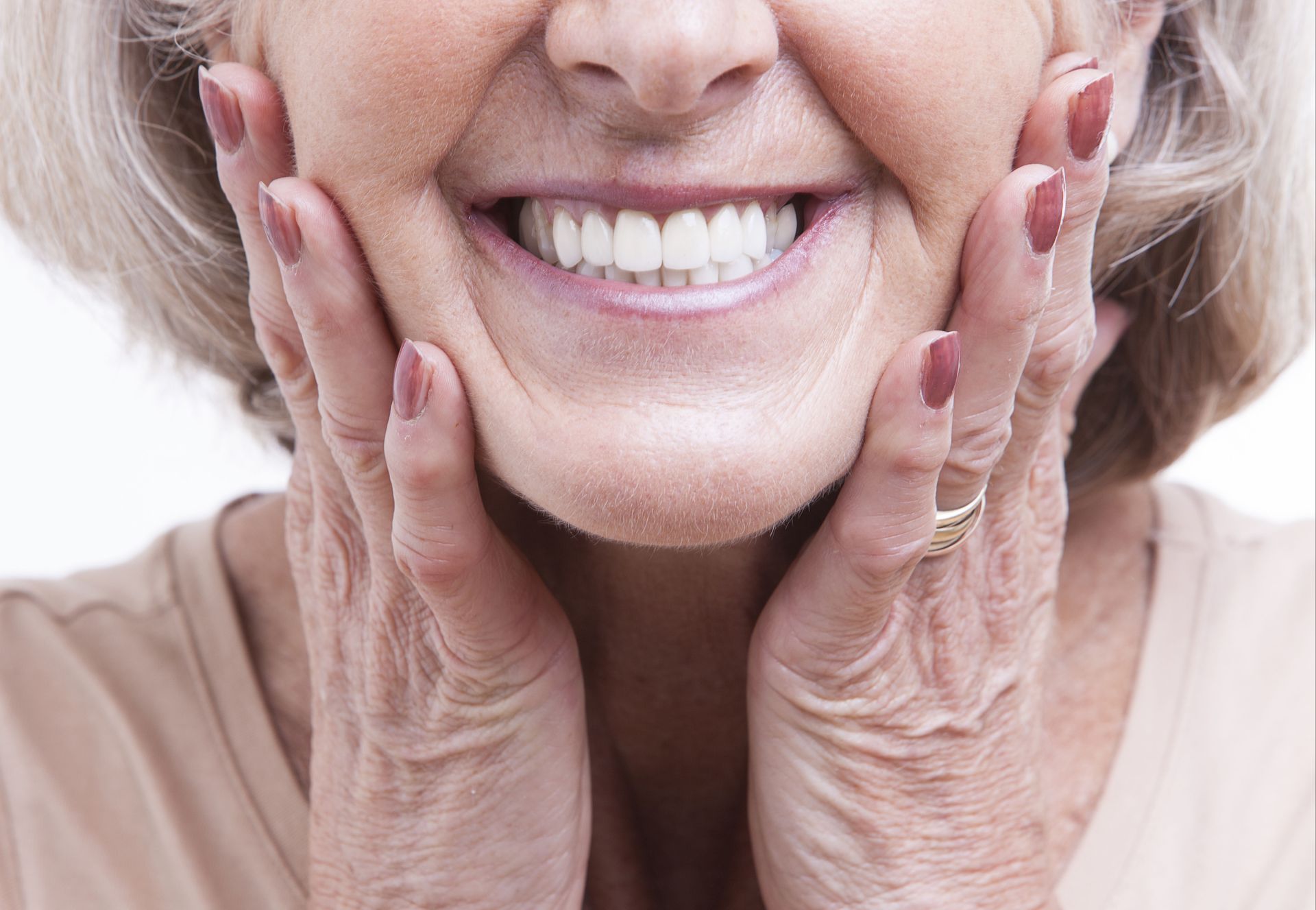
Embracing these restorative solutions allows individuals to regain the ability to eat diverse foods, speak with clarity, and interact with peers without self-consciousness. A restored smile offers aesthetic appeal while protecting the underlying framework of the jaw. A well-crafted appliance enhances facial aesthetics and promotes robust well-being. By understanding the distinct categories of available prostheses, patients approach their dental care with informed confidence and optimism for the future. If you are ready to explore your restorative options, we invite you to schedule a consultation at NorthWest Smile Dental & Denture. We are committed to providing personalized local denture services that meet your unique needs and restore your smile.