November 16, 2026
Rediscovering the pure pleasure of dining represents a deeply meaningful milestone along the path of oral rehabilitation. Gathering around a bustling table to share hearty meals with family and cherished companions brings comfort, authentic human connection, and physical nourishment. When you receive a newly crafted oral prosthetic, sitting down to eat can momentarily feel unfamiliar, delicate, or somewhat intimidating. With intentional patience, relaxed expectations, and thoughtful dietary adjustments, you can comfortably return to savoring delicious culinary creations without persistent apprehension.
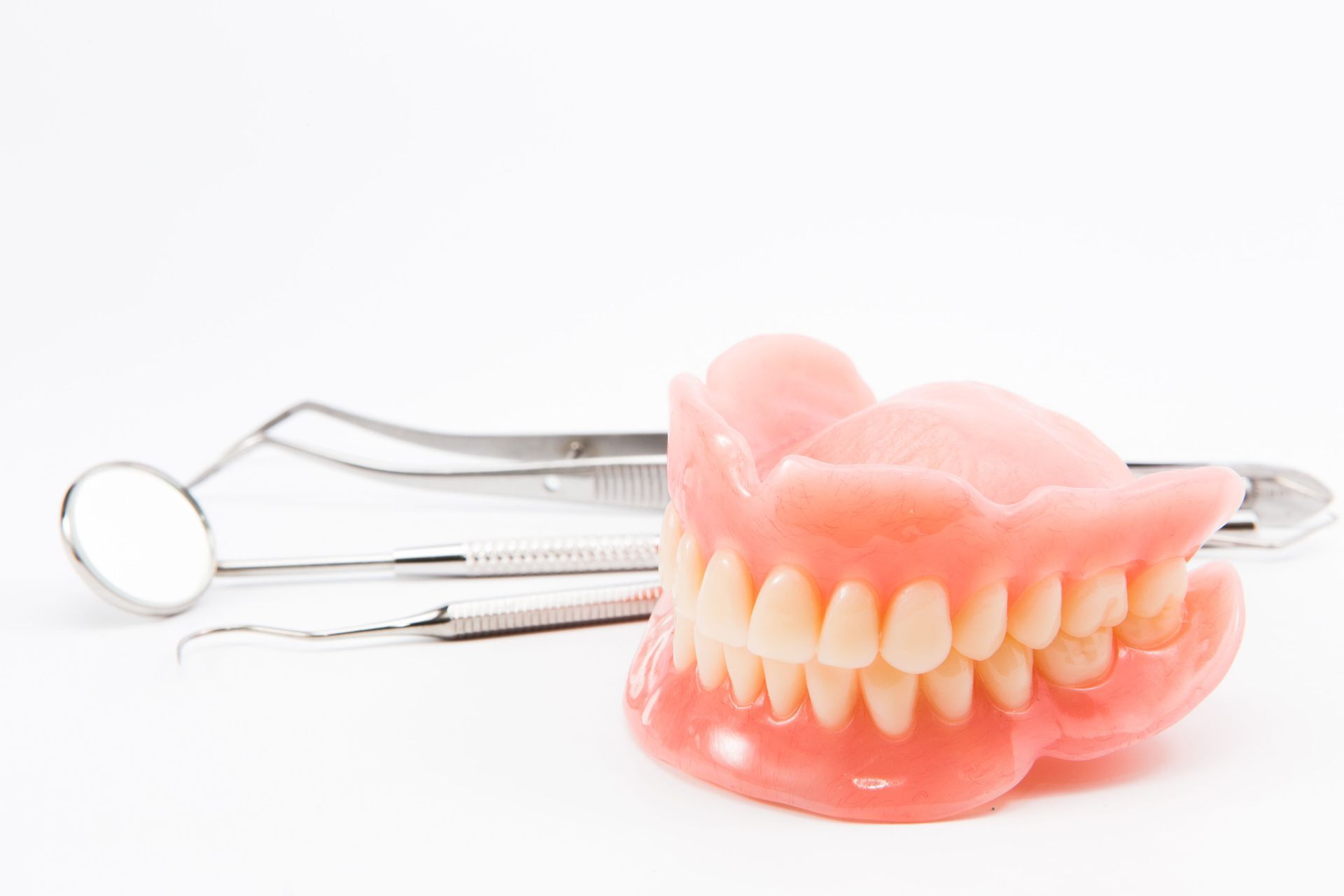
Adapting to these modern oral appliances requires an encouraging balance of muscular practice and cognitive flexibility. Your facial muscles, tongue, and underlying gum tissues must learn to coordinate in new patterns to stabilize the restoration during everyday chewing. Although chewing might at the onset feel unusual or slow, your mouth steadily adapts as you practice mindful chewing techniques during every peaceful dining opportunity. Well-fitted dentures provide the necessary structural stability and aesthetic appeal to restore your dining confidence for countless wonderful meals ahead.
Start With Nourishing Soft Foods
Commencing your post-placement dining journey with gentle culinary selections protects tender gum tissues while you grow accustomed to your new oral baseline. Wholesome blended vegetable soups, creamy yogurts, silky fruit purees, and fluffy scrambled eggs supply vital nutrition without demanding vigorous chewing forces. These soothing selections glide smoothly across the palate, minimizing the likelihood of friction, awkward slips, or unexpected sore spots during mealtime. Giving your mouth adequate room to settle around newly fitted dentures ensures that your underlying jaw ridge heals comfortably and adapts with steady grace.
Temperature awareness represents another essential consideration as you navigate these opening dining adventures. Because dental acrylic creates a subtle insulating barrier over the palate, perceiving extreme heat can become somewhat challenging in the beginning. Carefully testing warm broth, comforting porridge, or fragrant herbal tea against your lips prior to taking a sip protects against accidental thermal burns. Cultivating this protective mindfulness allows you to enjoy warm, nourishing recipes while shielding sensitive oral tissues from unnecessary distress.
Adequate hydration serves an indispensable role in maintaining complete oral comfort throughout your transitional dining phase. Sipping fresh water regularly throughout the day keeps mucosal tissues thoroughly lubricated and minimizes abrasive friction between gums and prosthetic bases. Drinking small sips of cool water during meals also assists in moistening drier foods, facilitating effortless swallowing without requiring excessive muscular exertion. A well-hydrated oral environment fosters a natural biological seal that reliably supports prosthetic retention during everyday meals.
Distribute Chewing Pressure Evenly
Instinctive chewing habits often lead people to favor a habitual biting side, yet successful prosthetic adaptation demands a thoughtfully balanced method. When you chew food solely along an isolated section, you inevitably cause the prosthetic base to tilt or dislodge unexpectedly. Dividing meals into equal portions across each side of the mouth balances biting pressure and keeps your dentures securely seated against your gums. Practicing this balanced chewing technique steadily transforms a conscious, calculated movement into an effortless, automatic daily habit.
Intentionally moderating the pace of your dining experience enhances digestive health as well as oral comfort. Hurrying through a plate of food frequently results in accidental cheek biting, awkward food positioning, or localized gum chafing. Chewing slowly and deliberately permits your tongue to maneuver each morsel precisely between artificial molars rather than letting it drift toward delicate tissue borders. This relaxed pacing transforms standard mealtimes into calm learning sessions that continuously strengthen your functional oral control.
Preparing your food by slicing items into modest, bite-sized pieces significantly reduces mechanical strain across recovering oral ridges. Large culinary portions force the jaw to open excessively wide, which easily compromises the peripheral border seal, maintaining stability. Dicing tender roasted vegetables, delicate poultry, and flaky fish into small morsels keeps the mastication process manageable, clean, and genuinely enjoyable. Taking modest mouthfuls empowers your dentures to perform their grinding duties smoothly without sliding across sensitive oral contours.
Reintroduce Complex Textures Gradually
After your gums feel thoroughly adjusted to routine chewing, you can begin introducing firmer, more complex menu favorites. Steamed garden carrots, tender pasta dishes, baked salmon fillets, and moist savory casseroles offer wonderful opportunities to test your emerging strength. Observing how your mouth responds to these denser culinary selections builds practical confidence and expands your daily menu options. With sustained practice, your dentures handle these intermediate food textures with gratifying stability and effortless chewing efficiency.
Certain notoriously demanding foods continue to warrant thoughtful attention and clever culinary adaptation. Attempting to bite directly into crisp whole apples, tough ears of sweet corn, or crusty artisanal breads can lever the anterior prosthetic base loose. Instead, slicing crisp orchard apples into thin wedges and stripping sweet corn kernels away from the cob allows you to savor beloved tastes without mishap. Creative food preparation empowers you to partake in diverse family feasts without compromising your comfort or risking sudden prosthetic displacement.
Extremely sticky or excessively hard delicacies require ongoing caution to protect against accidental appliance displacement or structural damage. Confections such as thick caramels, hard candies, whole tree nuts, and dense chewy nougats can adhere tenaciously to artificial surfaces or fracture acrylic frameworks. Selecting velvety desserts like chocolate mousses, creamy puddings, or soft fruit compotes satisfies a sweet tooth while safeguarding your dental restoration. Safeguarding your dentures from extreme mechanical stress guarantees that your replacement smile remains durable, beautiful, and fully functional for years ahead.
Protect Oral Appliances With Consistent Care
Diligent daily hygiene practices remain the ultimate cornerstone of lasting physical comfort and successful long-term dining. Rinsing your oral prosthetic and mouth thoroughly following each meal removes lingering culinary debris that might otherwise irritate delicate mucosal surfaces. Gently cleansing your gums, tongue, and the palate using an ultra-soft brush promotes healthy circulation and preserves lasting breath freshness. Establishing this disciplined maintenance regimen prevents plaque accumulation, ensuring that each meal begins with a clean, revitalized oral foundation.
According to the Cleveland Clinic, individuals who provide proper daily maintenance for their dentures can expect them to last for five to seven years before requiring replacement. Strict adherence to professional sanitization guidelines preserves the smooth acrylic finish and precise anatomical alignment that keep chewing natural and pain-free. Brushing prosthetic surfaces daily with non-abrasive cleaners avoids microscopic abrasions where persistent bacteria and unwanted stains tend to settle. This proactive approach preserves your health and protects your functional investment, ensuring that your culinary adventures remain pleasurable throughout daily life.
Routine clinical checkups ensure that subtle morphological transformations in your underlying jaw structure receive timely professional attention. Gradual bone resorption naturally reshapes the oral landscape, occasionally creating imperceptible gaps beneath the custom prosthetic base. Skilled dental practitioners detect these progressive anatomical changes early and perform precise chairside adjustments or relines to restore an immaculate suction seal. Maintaining an ongoing partnership with your dental team ensures that eating remains a joyful, pain-free part of your everyday routine.
Adjusting to a custom oral restorative prosthetic is an empowering personal process that rewards patience, attentive technique, and positive daily commitment. By supporting your oral tissues with soft meals, mastering balanced chewing patterns, and maintaining rigorous hygiene habits, you reclaim the pleasure of eating. Every satisfying meal shared in the company of friends marks a triumphant stride toward total dietary independence and elevated personal wellness. Equipped with reliable
dentures, you can boldly celebrate rich culinary traditions while sharing bright, radiant smiles with all those you encounter.
At NorthWest Smile Dental & Denture, we take pride in guiding our valued patients toward comfortable, carefree dining every day. Our devoted clinical team is always available to deliver personalized prosthetic fittings, routine evaluations, and empathetic support tailored to your unique lifestyle. Please reach out to us today so that we can support your journey toward enjoying every meal with complete confidence and enduring peace of mind.