April 17, 2026
In this article, we will explore the vital role of Medicaid dentists in making dental care both affordable and accessible to a wide range of populations. Despite numerous challenges within the healthcare system, Medicaid provides crucial support in ensuring that dental care is not a luxury but a necessity accessible to everyone. The following sections will delve into various facets of Medicaid dental services and their impact on society. By understanding the structure and benefits of Medicaid, we can appreciate how this program serves as a lifeline for millions. Moreover, we'll discuss the potential improvements that can be made to enhance Medicaid's capability to serve effectively.
The Role of Medicaid in Dental Health
Overview of Medicaid Dental Coverage
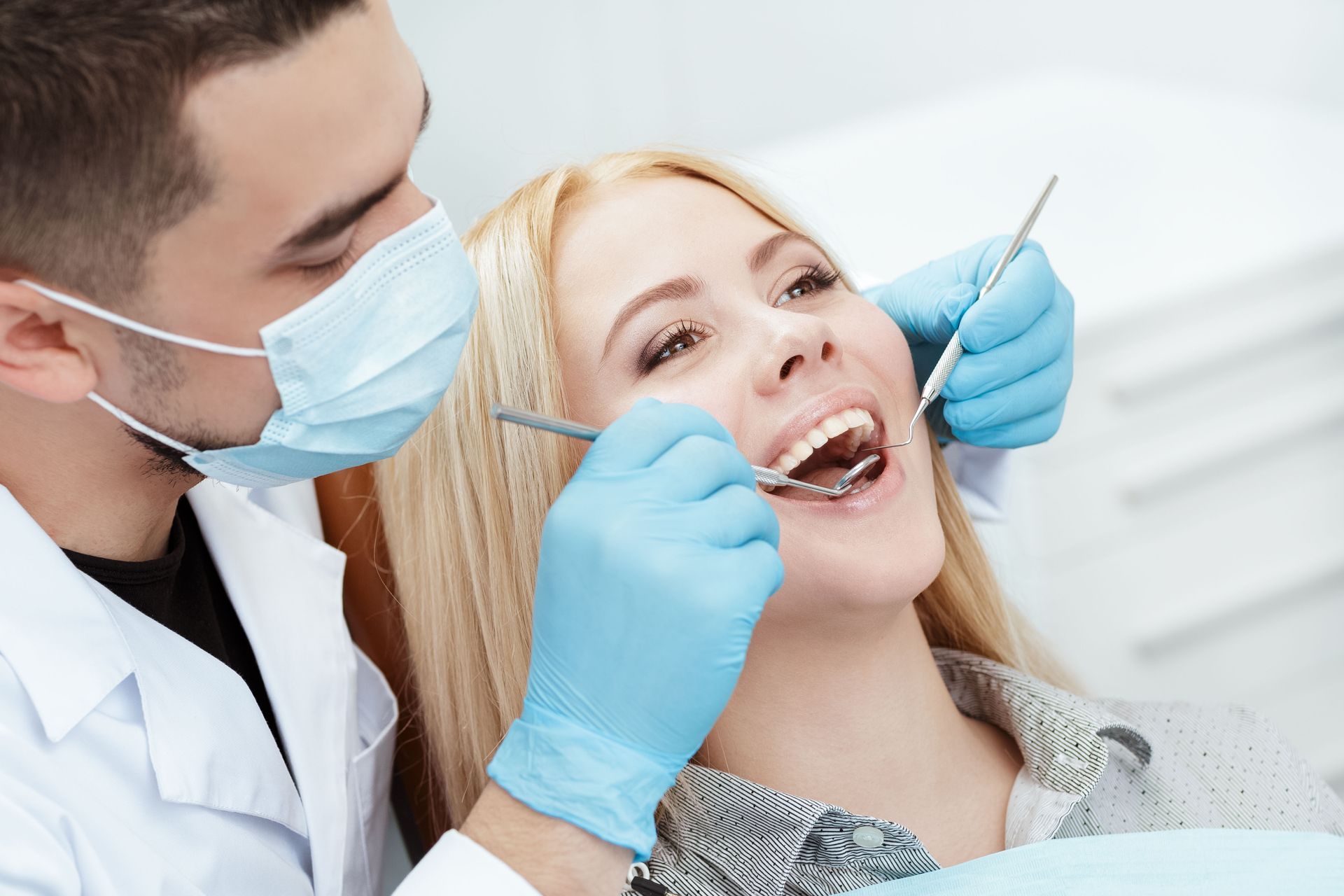
Medicaid offers a range of dental services with coverage varying by state, including preventive, diagnostic, and restorative care. While children's dental benefits are mandatory under Medicaid, adult coverage is often at the discretion of the state. This distinction is crucial because oral health significantly impacts overall well-being. By ensuring that preventive measures — such as cleanings and exams — are covered, Medicaid helps address oral health proactively. You should see a dentist at least once a year for exams and teeth cleanings, according to the Mayo Clinic. Medicaid's structure underscores the importance of regular dental check-ups in maintaining long-term health.
The breadth of services covered by Medicaid can sometimes surprise those unfamiliar with the program. Preventive care is a focal point, emphasizing the significance of maintaining oral health to avoid more severe issues down the line. The initiative to include such services is driven by the understanding that oral health affects many other areas of personal health, including hygiene, nutrition, and overall quality of life. Additionally, the focus on education within these services empowers beneficiaries with knowledge on maintaining their own health. It's a step beyond mere treatment, aiming for lasting impact on individuals' lives.
The ability for states to customize their dental offerings provides both a challenge and an opportunity. Some states excel in their provision, while others lag, highlighting discrepancies that often lead to discussions about uniformity in essential dental care. Medicaid's involvement in offering extensive dental coverage indicates its commitment to reducing widespread health disparities. By making these services accessible, Medicaid plays a pivotal role in ensuring that dental health is not just reserved for those with financial means. Such policies reflect a commitment to addressing health equity across the nation.
Eligibility Criteria for Medicaid Dental Services
Eligibility for Medicaid dental services is determined by several factors, including income, family size, disability, and age. This broad scope allows a wide range of individuals to access crucial dental care services. For many, Medicaid is the only means to receive routine dental exams and treatments, which may otherwise be financially inaccessible. The program's design helps lift the financial burden, thereby preventing potential deterioration of dental health among underserved populations. Ultimately, eligibility extends beyond mere numbers, offering a safety net for those in need.
Different states may have varying thresholds for income and other qualifying criteria. These differences can lead to confusion for potential beneficiaries, underscoring the need for clear and accessible information regarding eligibility. It's essential for applicants to understand these criteria to successfully navigate the enrollment process. Effective communication channels are critical, providing guidance and clarity on the requirements and benefits. The adaptability of Medicaid allows each state to tailor assistance to meet specific population needs, illustrating the program’s flexibility in healthcare access.
One significant aspect of eligibility is the adjustment of criteria to better accommodate those on the margins. For example, increasing income thresholds during economic downturns ensures that more families benefit from the program. By integrating broader criteria, Medicaid aims to cover more people affected by changing socio-economic conditions. This responsiveness is key to keeping health services within reach, regardless of fluctuating financial circumstances. Furthermore, expansion initiatives can have a significant impact on overall public health outcomes, as more individuals gain access to regular dental care.
The Importance of Medicaid for Low-Income Families
Medicaid serves as an essential component of healthcare for low-income families, offering them critical access to dental care that might otherwise be unattainable. By covering necessary dental services, Medicaid alleviates financial constraints that often act as barriers to receiving care. For these families, Medicaid represents more than just healthcare; it is a means to achieve stability and security. Access to dental care is not just about addressing current issues but also about preventing future complications. This preventive approach aligns with recommendations that underscore the necessity of regular dental visits, ensuring issues are caught early and managed effectively.
The benefits of access to dental care through Medicaid extend beyond physical health. They also influence emotional and psychological well-being by removing the stigma associated with neglecting oral health due to financial hardship. With basic dental needs catered to, individuals experience increased self-esteem and social confidence. For children, this means a greater likelihood of attending school without pain or embarrassment, potentially affecting educational outcomes positively. Thus, Medicaid’s role in supporting low-income families goes beyond treatment, fostering improved life experiences and opportunities for success.
However, the reliance on Medicaid also brings to light the systemic inequalities present in the healthcare system. While the program does its best to bridge these gaps, there remains work to be done to ensure all individuals can access the care they need. Continued advocacy, policy adjustments, and increased funding are necessary to sustain and expand the coverage provided. Only then can the program's full potential be realized in creating a fair and equitable healthcare environment. By supporting Medicaid’s mission, society takes a stand towards eliminating health disparities, benefiting both individuals and communities.
Innovative Approaches in Medicaid Dental Care
Telehealth and Remote Consultations
The advent of telehealth and remote consultations in dental care has revolutionized the way Medicaid services can be delivered. These technological advances offer increased accessibility for patients who may face physical, geographical, or scheduling barriers. By facilitating remote interactions, Medicaid dentists can provide routine checkups, educational sessions, and preliminary evaluations without necessitating in-person visits. This flexibility is particularly beneficial for communities with limited access to dental facilities, ensuring timely medical attention. Embracing telehealth reflects Medicaid's commitment to expanding care delivery options in an increasingly digital world.
For Medicaid recipients, telehealth consultations can improve access to preventive care, aligning with recommendations for at least an annual dental visit. By identifying potential issues early through virtual assessments, practitioners can decide whether an in-person examination is necessary, thereby optimizing resource allocation. Not only does this approach make healthcare more convenient, but it also encourages individuals who might otherwise defer care due to logistical challenges. Data from these interactions can also inform future Medicaid policies, as the program continues to seek equitable access for all beneficiaries. Thus, telehealth extends beyond convenience - it represents a shift towards more inclusive healthcare.
Despite the promising potential, implementing telehealth in Medicaid dental care faces certain challenges. Ensuring equitable access to technology and internet services is essential to avoid perpetuating the digital divide. Both patients and providers may require training to adapt to this new mode of healthcare delivery. It is crucial to address privacy and security concerns to protect patient information in virtual consultations. By working collaboratively, the technological and healthcare sectors can overcome these barriers and fully integrate telehealth into Medicaid services. The continued exploration of telehealth's role in dental care signifies a proactive step towards future-proofing the Medicaid system.
Medicaid dentists play a crucial role in expanding access to essential oral healthcare and improving overall well-being for underserved communities. By addressing barriers to affordability and embracing innovations like telehealth, Medicaid dentists continue to make meaningful strides in patient care. As the program evolves, strengthening support and awareness will further enhance the impact of Medicaid dentists nationwide. If you’re looking for compassionate, affordable dental care, contact NorthWest Smile Dental & Denture today to connect with trusted Medicaid dentists and schedule your visit.