February 19, 2026
Conversations about oral health have changed a lot over time. People are more open about their smiles, their comfort, and how dental care fits into everyday life. Missing teeth are no longer something to quietly work around. Instead, they are discussed honestly, with practical solutions taking center stage. One of those solutions continues to play an important role in maintaining confidence, function, and overall well-being. Dentures have evolved beyond their old stereotypes, becoming a thoughtful option for people who want to protect their oral health for the long run.
If you have ever wondered how tooth replacement connects to chewing, speaking, and even facial balance, you are not alone. This topic comes up often in dental offices because oral health is about far more than appearance. It is about comfort at the dinner table, ease in conversation, and the confidence to smile without hesitation. Let’s take a closer look at why this solution is becoming an increasingly important part of long-term oral care.
Recognizing Tooth Loss as a Health Conversation
Tooth loss is sometimes treated as a cosmetic concern, but it deserves a deeper conversation. When a tooth is missing, the mouth does not simply pause and wait. The surrounding teeth may begin to shift, the bite can change, and daily habits like eating can become uncomfortable. Over time, these small adjustments can affect oral balance in ways that are easy to overlook. What starts as a minor inconvenience may gradually influence jaw comfort, speech clarity, and even cleaning routines. Recognizing these changes early encourages thoughtful care decisions that help maintain stability, comfort, and long-term oral health.
Talking openly about tooth replacement helps reframe the issue as part of overall health. Chewing efficiency, jaw comfort, and gum health are all connected. When those connections are respected and supported, people often notice improvements that go beyond the mirror. Addressing missing teeth is not about vanity. It is about supporting the natural rhythm of the mouth and allowing it to function with ease.
Supporting Daily Comfort Through Restored Function
One of the most noticeable changes people experience after addressing tooth loss is improved daily comfort. Eating becomes less stressful, and speaking feels more natural. Meals can once again be enjoyed without constantly favoring one side of the mouth or avoiding certain foods altogether. This renewed ease often carries into other parts of the day, from clearer conversations to greater confidence in social situations. Even simple pleasures, like laughing freely or savoring favorite dishes, can feel more relaxed and natural, contributing to an overall sense of well-being.
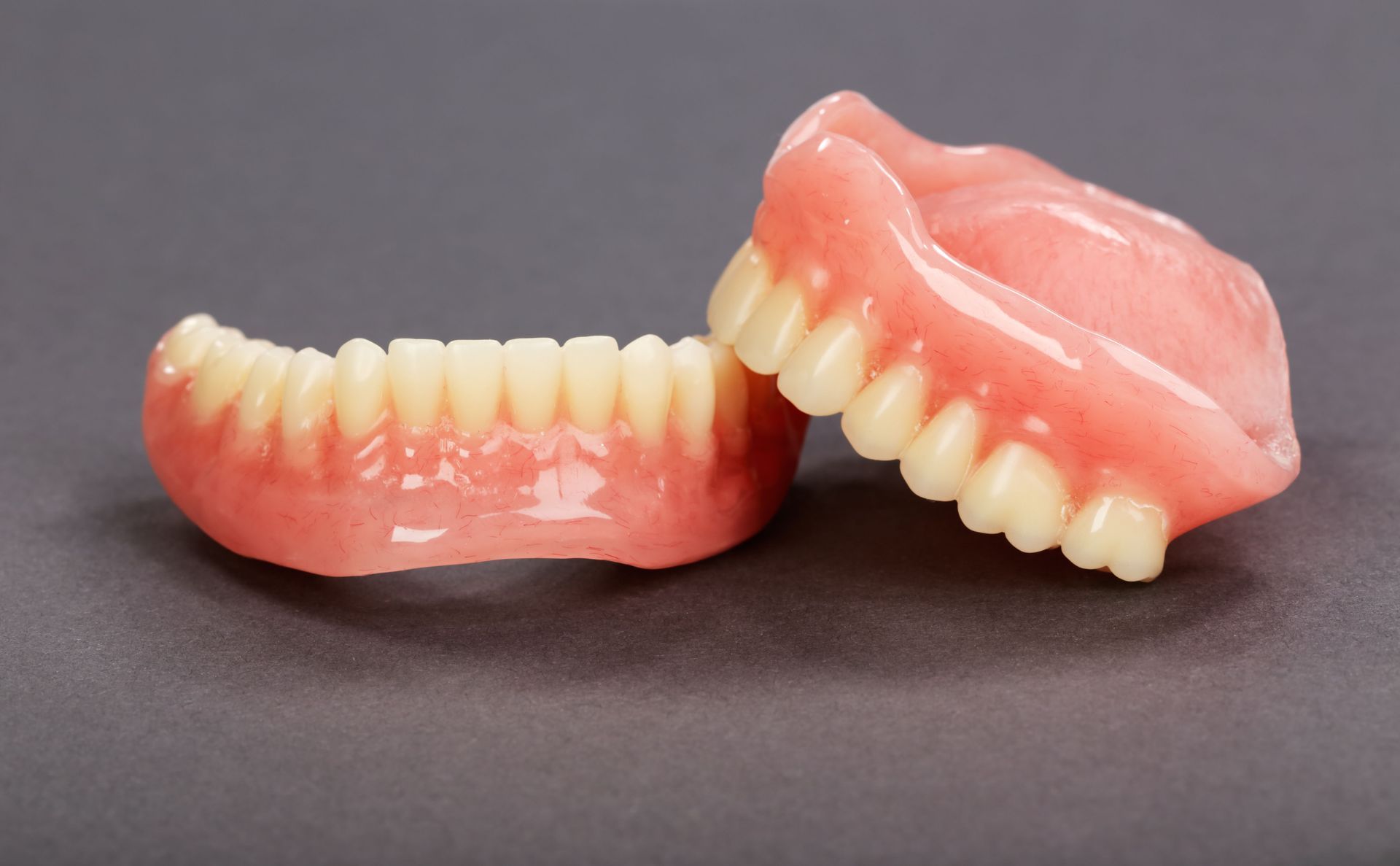
Dentures are designed to help restore balance by filling in gaps that disrupt normal function. When the mouth can distribute pressure evenly, it reduces strain on remaining teeth and the jaw. This balance plays a quiet but meaningful role in long-term oral health. Comfort during everyday activities often leads to better habits, including more mindful eating and improved oral hygiene routines.
Preserving Facial Structure and Natural Expression
The face relies on underlying support from teeth and the jawbone. When teeth are missing, changes can gradually occur in facial structure. Cheeks may appear less full, and expressions can feel different. These shifts often happen slowly, making them easy to dismiss until they become more noticeable.
By replacing missing teeth, false teeth help maintain that essential support. This preservation goes beyond aesthetics. Facial balance contributes to how muscles work together when speaking and chewing. Maintaining natural expression can have a positive impact on confidence and social interactions, which in turn supports emotional well-being. Oral health is closely tied to how people feel about themselves, and that connection should never be underestimated.
Encouraging Long-Term Gum and Bone Awareness
Gum and bone health are foundational to a healthy mouth. When teeth are missing, the underlying structures may not receive the stimulation they once did. Over time, this lack of stimulation can affect how the jawbone maintains its shape and strength. This process can be subtle, happening gradually without obvious discomfort at first. However, changes in bone support can influence how remaining teeth align and how the bite functions. Paying attention to these shifts allows dental professionals to recommend solutions that help maintain balance and support long-term oral stability.
Dentures are often part of a broader conversation about protecting these structures. While they do not replace natural stimulation entirely, they do help distribute pressure more evenly across the gums. This awareness encourages regular dental visits and ongoing care, both of which are essential for long-term oral health. Paying attention to the gums and jaw is just as important as focusing on the teeth themselves.
Connecting Oral Health to Overall Wellness
Oral health does not exist in isolation. The mouth plays a role in nutrition, communication, and even social confidence. When eating becomes difficult, dietary choices may change in ways that affect overall wellness. Softer foods can be convenient, but they may not always provide the variety the body needs. Over time, limited food choices can influence energy levels and enjoyment of meals. Difficulty speaking clearly may also affect conversations and self-expression. Supporting oral function helps people maintain balanced nutrition, engage comfortably in social settings, and preserve a sense of confidence in everyday interactions.
Restoring function with dentures can help people return to a more balanced diet. Enjoying a wider range of foods supports better nutrition and overall health. This connection highlights why oral care is such an important part of wellness conversations. A comfortable, functional smile can influence energy levels, mood, and daily enjoyment in subtle but meaningful ways.
Understanding Modern Dental Perspectives on Prevention
Preventive care remains a cornerstone of dentistry, and conversations around tooth replacement often reflect that mindset. Addressing gaps sooner rather than later can help prevent additional complications. This proactive approach aligns with broader dental goals focused on preservation and balance. When missing teeth are managed early, it may reduce uneven wear on surrounding teeth and minimize unnecessary strain on the jaw. It also supports healthier chewing patterns and encourages consistent oral hygiene habits. In many cases, timely intervention helps maintain comfort, function, and overall stability within the smile.
According to Forbes, nearly 90% of American adults aged 20 and older have had at least one cavity. This reminder underscores how common dental challenges are and why ongoing care matters. Tooth replacement is not about looking backward at what was lost. It is about moving forward with solutions that support stability and comfort. Dentures are part of that forward-thinking perspective, helping people maintain oral harmony over time.
Embracing Confidence Through Personalized Care
Every smile tells a different story, and dental care should reflect that individuality. The process of choosing dentures is not one-size-fits-all. It involves thoughtful consideration of lifestyle, comfort preferences, and long-term goals. When care feels personal, people are more likely to engage with it fully and maintain healthy habits.
Confidence grows when people feel heard and supported. A comfortable smile can encourage more social interaction, clearer speech, and a renewed sense of ease. These benefits extend into daily life, reinforcing the idea that oral health is deeply personal. Dentures, when thoughtfully integrated into a care plan, can support that confidence for years to come.
In the end, long-term oral health is about more than maintaining teeth. It is about supporting comfort, function, and self-assurance at every stage of life. If you are ready to explore how
dentures can support your smile and overall well-being, reach out today to NorthWest Smile Dental & Denture.